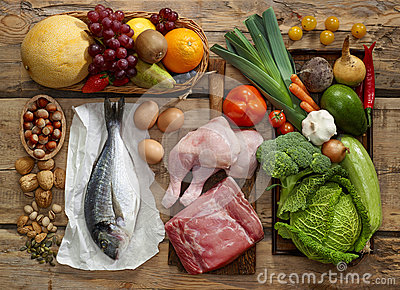
I was inspired by my audiences to write this blog. Before I started this blog, I did not know much about Specific Carbohydrate Diet (SCD), which I can understand the reasoning behind this way of eating; because, living with ulcerative colitis, it is recommended that we stick to a low-carbohydrate diet.
I have done some research and I am very skeptical about this diet for me personally and the people who are affected by the foods I have listed to avoid. While the SDC way of living may help some of us living with ulcerative colitis it may also be the opposite for some of us. The reason for this from my experience there are some of the food items listed in the diet that if I try them, I will get a flare up. As I mentioned in previous articles, my way of eating is from trials and errors and is not guided by any scientific or specific diet. I learned to stay away from the things that makes me sick
I asked my doctor about the SCD lifestyle and he explained to me that not everyone is alike but being guided by the basic food intake helps to develop a healthy way of eating.
When I was told, I had Ulcerative Colitis it took me about three years of introducing foods to my diet to eliminate the foods that do not agree with me. After living with ulcerative colitis for over nine years now, I am comfortable with the way I eat and I stick to the basic rules because as I said if you are new to this keeping a daily record while you introduce the foods to your system is very important. It is important to record the foods you eat and the symptoms you experience with it; in that way, you can identify the foods that made your symptoms worse and the ones that made it better.

The Basic Guidelines I Follow is:
- Organic foods are recommended.
- I read the labels when I go food shopping
- I use a lot of ginger root. It is great for your digestive tract
- I use a lot of fresh garlic. Also, great for your digestive track and has antibiotic properties.
- I cook with fresh herbs mostly
- High Protein (fish, turkey, chicken great source of protein)
- I broil, bake or grill my meats
- I only have egg whites
- Feta cheese and goat cheese, I can tolerate
- My daily diet includes a lot of steamed vegetables. I am ok with raw vegetables, but I don’t usually do it daily. For some, raw vegetables are irritants, for those it is best to steam.
- I use olive oil, grape seed and soy oil.
- I also eat some high fiber foods when I am in remission because I try to avoid constipation during that time. If there is any sign of flare up avoid the high fiber until symptoms are in check. Fiber that I can tolerate are oat bran, brown rice, whole grain pasta, which maybe one or two times a week that I feel the urge to eat. If you are not sure about any fiber try them one at a time and keep a daily record.
- I drink plenty of liquids, water I make note of my ten 8-ounce glasses of water, but I usually drink more by the end of the day. My other liquids include a lot of tea, green tea, flavored tea especially mint and ginger, other liquids I make my own ice tea with green tea and other flavored tea add lemon juice chill and there is no need for sugar, but if you like add honey.
- I also have almond, rice and soy milk where there is need for dairy milk
I Avoid:
- savory and spicy foods
- Preserved meals and semi-finished products
- saturated fats, oils and food, some of which are: red meats, bacon, sausages, hot-dogs and all dairy products
- Breads, yams, potatoes
- Corn, popcorn
- Any kind of nuts
- Artificial sweeteners
- Greasy and fried foods, which can irritate the colon and cause diarrhea and gas
- I stay away from any form of dairy liquid, juices, carbonated soft drinks, diet liquids,
I also take my vitamins for extra support to my immune system and digestive system and for preventive reasons. Vitamins such as: B complex, B6, B12, D, folic acid, and Biotin, if iron is a friend of yours go ahead and take it, but I try to eat things that are rich in iron because I hate to take the iron supplements. I will discuss the benefits of vitamins in future articles.
Resources: http://scdlifestyle.com/about-the-scd-diet/ – America’s #1 Guide to Natural Health – http://www.webmd.com/ -https://www.dreamstime.com/
thank you for reading my blog.
I would love to hear from you. You may contact me by e-mail: ulcerativecolitisliving@gmail.com


 At first when I learned that I was going to spend the rest of my life with Ulcerative Colitis I did not realize the impact food would have on my daily life. Although food is not the cause of ulcerative colitis some foods will make the symptoms of ulcerative colitis worse. When I watch what I eat and eliminate certain foods I find that my body feels so much better. I try to stay away from processed foods and to eat foods that are easy to digest.
 Living Healthy with Ulcerative Colitis