SCD Life Style & Me…

I was inspired by my audiences to write this blog.  Before I started this blog, I did not know much about Specific Carbohydrate Diet (SCD), which I can understand the reasoning behind this way of eating; because, living with ulcerative colitis, it is recommended that we stick to a low-carbohydrate diet.

I have done some research and I am very skeptical about this diet for me personally and the people who are affected by the foods I have listed to avoid.  While the SDC way of living may help some of us living with ulcerative colitis it may also be the opposite for some of us.  The reason for this from my experience there are some of the food items listed in the diet that if I try them, I will get a flare up.  As I mentioned in previous articles, my way of eating is from trials and errors and is not guided by any scientific or specific diet.  I learned to stay away from the things that makes me sick

I asked my doctor about the SCD lifestyle and he explained to me that not everyone is alike but being guided by the basic food intake helps to develop a healthy way of eating.

When I was told, I had Ulcerative Colitis it took me about three years of introducing foods to my diet to eliminate the foods that do not agree with me.  After living with ulcerative colitis for over nine years now, I am comfortable with the way I eat and I stick to the basic rules because as I said if you are new to this keeping a daily record while you introduce the foods to your system is very important.  It is important to record the foods you eat and the symptoms you experience with it; in that way, you can identify the foods that made your symptoms worse and the ones that made it better.

0rganic-carrots

The Basic Guidelines I Follow is:

  1. Organic foods are recommended.
  2. I read the labels when I go food shopping
  3. I use a lot of ginger root. It is great for your digestive tract
  4. I use a lot of fresh garlic. Also, great for your digestive track and has antibiotic properties.
  5. I cook with fresh herbs mostly
  6. High Protein (fish, turkey, chicken great source of protein)
  7. I broil, bake or grill my meats
  8. I only have egg whites
  9. Feta cheese and goat cheese, I can tolerate
  10. My daily diet includes a lot of steamed vegetables. I am ok with raw vegetables, but I don’t usually do it daily.  For some, raw vegetables are irritants, for those it is best to steam.
  11. I use olive oil, grape seed and soy oil.
  12. I also eat some high fiber foods when I am in remission because I try to avoid constipation during that time. If there is any sign of flare up avoid the high fiber until symptoms are in check. Fiber that I can tolerate are oat bran, brown rice, whole grain pasta, which maybe one or two times a week that I feel the urge to eat.  If you are not sure about any fiber try them one at a time and keep a daily record.
  13. I drink plenty of liquids, water I make note of my ten 8-ounce glasses of water, but I usually drink more by the end of the day. My other liquids include a lot of tea, green tea, flavored tea especially mint and ginger, other liquids I make my own ice tea with green tea and other flavored tea add lemon juice chill and there is no need for sugar, but if you like add honey.
  14. I also have almond, rice and soy milk where there is need for dairy milk

I Avoid:

  1. savory and spicy foods
  2. Preserved meals and semi-finished products
  3. saturated fats, oils and food, some of which are: red meats, bacon, sausages, hot-dogs and all dairy products
  4. Breads, yams, potatoes
  5. Corn, popcorn
  6. Any kind of nuts
  7. Artificial sweeteners
  8. Greasy and fried foods, which can irritate the colon and cause diarrhea and gas
  9. I stay away from any form of dairy liquid, juices, carbonated soft drinks, diet liquids,

I also take my vitamins for extra support to my immune system and digestive system and for preventive reasons.  Vitamins such as:  B complex, B6, B12, D, folic acid, and Biotin, if iron is a friend of yours go ahead and take it, but I try to eat things that are rich in iron because I hate to take the iron supplements.  I will discuss the benefits of vitamins in future articles.

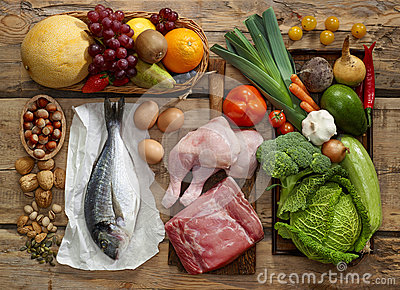
Resources:  http://scdlifestyle.com/about-the-scd-diet/ – America’s #1 Guide to Natural Health – http://www.webmd.com/ -https://www.dreamstime.com/

thank you for reading my blog.

I would love to hear from you.   You may contact me by e-mail:  ulcerativecolitisliving@gmail.com

← Back

Thank you for your response. ✨

Warning
Warning
Warning

Warning.

Breakfast At Home

Being an islander from Jamaica, breakfast was never a toss the eggs and scramble them, fry the bacon and sausage and butter the toasts as I find it here in America.  No breakfast in Jamaica is usually a cooked meal consisting mainly of our national dish, ackee and salt- fish,  or cooked callaloo anyway you like, mackerel rundown, all these are usually served with one or more of these sides, boiled green bananas, fried or boiled dumplings, ripe plantains, yams, breadfruit or festival, and most times with warm buttered hard dough bread and avocado and everything is spicy included in the recipe or a scotch bonnet on the side… yummy… I am so hungry now, feel like making one of those breakfast…but living with ulcerative colitis I have to make breakfasts that I can eat without hurting myself and at the same time tasty.

Mackerel Rundown – Callaloo Boiled Green Bananas and Avocado – Ackee & Salt-fish, fried  plantains and hot peppers

Today I had the appetite for a traditional Jamaican breakfast, I guess that is why I was inspired to write this article because Ulcerative Colitis does not allow me to have the spicy, the greasy, the fried foods, the yams, and so I had to do breakfast the way I can eat it.

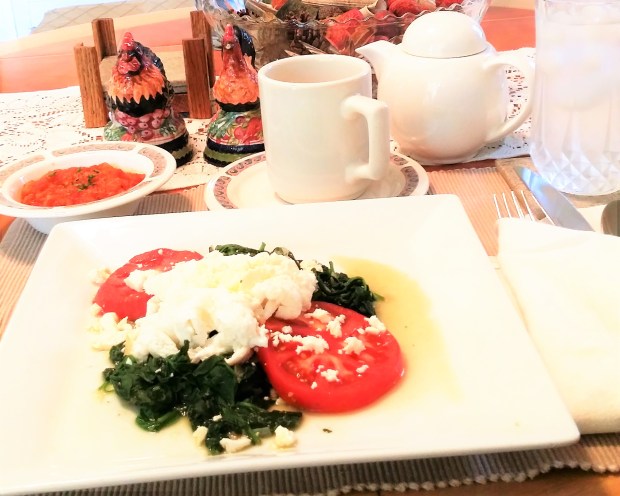
So I made a poached egg white with spinach, tomato and feta cheese.

INGREDIENTS:

2 egg whites

2 tbsp. apple cider vinegar

2 cups uncooked baby spinach

2 tbsp. grape seed oil

1 tbsp. diced onion

1 tbsp. diced sweet pepper

1 tbsp. diced tomatoes

1 tsp minced garlic

1 tsp lemon juice

Salt to taste – a pinch

1 tsp fresh or dried parsley

Directions:

Poaching Eggs:  Using fresh eggs serves for less feathering of the egg whites in the water.

20160901_141148 (2)

Using Fresh Egg Whites make less feathering when added to hot water

Bring water and vinegar to a slow boil slide eggs from bowl to water, after adding eggs swirl water to prevent sticking to the bottom and use a spatula to form shape (egg whites tend to spread out) cook 4 minutes, remove eggs with a slotted spoon to preserve the shape.

Heat grape seed oil in cast iron pot then add diced onion, diced sweet pepper, tomatoes, minced garlic, salt to taste – a pinch, fresh or dried parsley soften for at least 5 minutes then add spinach and cook until

wilted about 5 minutes add lemon juice and cook for another 2 minutes. Spread a bed of spinach on serving plate top with tomatoes and poached eggs and crumbled feta cheese.

Bon appetite

← Back

Thank you for your response. ✨

Warning
Warning
Warning

Warning.

Bone Broth for Ulcerative Colitis – Why The Buzz

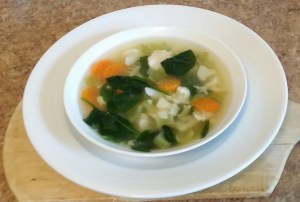
I was never raised on deboned or fillet meats.  My parents always cook meat with the bones.   I can remember the soups, the stews, cooked with a lot of bones.  Little did I know how beneficial those bones were to my health and wellbeing.

Today there is a buzz about Bone Broth.  The very thing I grew up on.  My father had an enormous appetite for the marrow in the bone.  I never believed him that it was good for me.  I just thought it was a lot of fat.

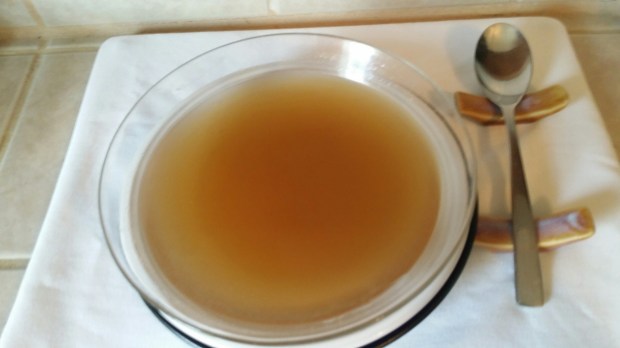
Living with ulcerative colitis I constantly research things that will nourish my body and help in healing my intestinal track and my digestive system.   I discovered Bone Broth.  Two cups per day is required in order to benefit from it.  Having more will not hurt.

20160519_092602_resized

Ulcerative Colitis often  flare-up.   When I am having a flare-up, I usually go on a liquid diet until I am well enough to start on solids.  Being able to have bone broth is comforting.  It allows my body to rest and heal at the same time.  It gives me the nourishment I need to function effectively until my symptoms are in check.   On those days, I usually have more than two cups per day, and I try to have other things like jello, herbal tea (with or without honey) and of course I visit my doctor because most times it calls for added medication.

Ulcerative colitis causes a lack in many of the essential vitamins and minerals we need to function on a daily basis.  With frequent diarrhea we lose electrolytes, our intestines becomes inflamed and our digestive track goes out of whack, and we get acid reflux.   This is the reason we must eat foods that are rich in vitamins and minerals.

Ulcerative colitis patients usually have a break-down of their immune system, which prevent the immune cells from supporting the good bacteria and unable to  fight off the bad bacteria.  Ulcerative Colitis also affect our:

eyesEyes    skin  Skin        jointsJoints

This is why I am so hooked on Bone Broth and here to tell you all its benefits.

The Benefits of Bone Broth to Ulcerative Colitis Patients:

  • Bone Broth contains minerals such as calcium phosphorous, magnesium, sulfate and fluoride.
  • Including minerals such as sodium and potassium, which provide the electrolytes we frequently lack
  • Vitamin C – Strengthens Immune system
  • Collagen – for our joints, tendons, ligaments, mucus membranes skin and bones.  It strengthens the lining of our gastrointestinal track including the stomach and intestines.
  • It fights off inflammation.
  • Bone Broth increases the gastric and acid secretion, reducing gastric ulcers and enhancing digestion

Now that I have you hooked on Bone Broth – It’s time to start sipping.

You can either do your own home brewed or you can have bone broth from the store or online

It is more convenient to have store bought.  I can’t promise you it will be as tasty as home brewed – but then, homemade stuff is usually better tasting.

Recipe for – Home Brew Bone Broth:

  • 3 lbs. bone (You can mix beef bone and chicken bones)
  • Water
  • 1 tbsp. apple cider vinegar or dry white wine (adding this acid will pull the minerals from the bones)
  • 2 large carrots diced
  • 2 stalk celery
  • 1 tbsp. chopped parsley
  • 1 tsp. minced ginger
  • 1 tbsp. minced garlic
  • 1 large onion chopped
  • 1 tsp. thyme
  • Salt to taste (Do not over do your salt, we are not allowed pepper so NO PEPPER)

You can be creative with your vegetables and herbs

Directions:

  1. Place all ingredients in a crock pot and cover with water.
  2. Bring to a boil on high, then turn crock pot on low and let simmer for 12 – 48 hours.
  3. Chicken bones can go for 6 – 48 hours
  4. Beef bones can go for 12 – 72 hours
  5. I do 48 hours enough time for the nutrients to be extracted.
  6. After your set time turn off crock pot and let the broth cool.
  7. Strain and discard the vegetables and bones.  Refrigerate the broth when fully cooled it will have a layer on top.  The layer protects broth from going bad.
  8. When you are ready to start sipping remove layer.
  9. Refrigerate three days serving and freeze the rest for your other days.
  10. The broth will be gelatinous and that is what you want.  It will become liquid when it is heated up.

On your last three servings START BREWING your next batch.

Things to Remember About Bone Broth:

  • Rich in vitamins and minerals
  • Strengthens immune system
  • Helps repair dysfunctional gut wall and support digestion
  • Contains collagen.  Studies have shown that collagen helps to heal the lining of the gastrointestinal track
  • Collagen also reduce wrinkles, cellulites, stretch marks and nourishes the other parts of your body that requires collagen
  • Bone broth also contain glycosaminoglycan proven to be deficient
    in ulcerative colitis and crohn’s patients. (among other things glycosaminoglycan regulate cell growth and the modulation of enzyme activities)

TWO CUPS PER DAY                                  

References:
https://bodyecology.com/articles/bone-broth : https/womenshealthmagazine.com
https://www.healingwell.com :https://www.mangiapaleo.com                                                                      https://www.linelibrary.wiley.com  http://www.sciencewithme.com : www.eyeprojectforscienceblogpost.com


Thank you for coming to my website.  If you have any questions or comment have a topic you would like to discuss you can leave me a message:  Angella Gaskin:  ulcerativecolitisliving@gmail.com

← Back

Thank you for your response. ✨

Warning
Warning
Warning
Warning

Warning.

Don’t Be Scared to Eat Out – Let’s Go to Lunch or Dinner!

Going out to eat can be such a pain, not only for me, but for everyone involved.  I am so happy and fortunate to be surrounded by people who love and support me with my illness, so they don’t think of it as a burden but a challenge and who doesn’t like a good challenge. I find that Diners usually have something that I can eat so going to a diner is usually a comfortable feeling.  Not to forget that when you get to the Diner you have to talk to the person who has the authority to make sure your meal will be prepared as you requested.

You can name all the things that makes you ill when you eat it, such as, dairy, butter, sauce with butter, hot pepper sauces, black pepper, fried or breaded foods, red meats etc..

Now that’s out of the way – Let’s eat…My grand-daughters always enjoy going to the diner with me and the rest of family…

Look at the menu and select your meal and request that it is prepared without any of the ingredients that will affect you.  I find that the chefs are always happy to help.

There is always fish, turkey, chicken, steamed vegetables so go ahead and eat, but stay away from any processed meats even if it is turkey.

Broiled flounder prepared with garlic, onion, salt, lemon juice, herbs if you like – that is all you need, the fish has its’ own flavor and will be tasty.  Add steamed vegetables or brown rice, or sweet potato, a salad.  You can also have baked or broiled chicken, baked or broiled turkey prepared with salt, onion, garlic, herbs.

Thousand Island, balsamic vinaigrette or raspberry are salad dressings that does not affect me in a bad way.

Fresh fruits or fruits in its’ own juices can serve as desserts.  You can have beverages without caffeine, no carbonated beverages, or diet beverages.

This does not mean that we cannot eat anywhere else, as we will discuss later.

I can be reached:  Angella – ulcerativecolitisliving@gmail.com

Ulcerative Colitis – What Can You Eat?

Ulcerative colitis can be extremely painful and even temporarily disabling. Knowledge of proper dietary guidelines for people with ulcerative colitis is a significant factor in achieving and maintaining remission.

20160428_142342-1 At first when I learned that I was going to spend the rest of my life with Ulcerative Colitis I did not realize the impact food would have on my daily life. Although food is not the cause of ulcerative colitis some foods will make the symptoms of ulcerative colitis worse. When I watch what I eat and eliminate certain foods I find that my body feels so much better. I try to stay away from processed foods and to eat foods that are easy to digest.

Although we follow up with our doctors and our doctor’s advice and take our medication, we are still responsible for ourselves, making small changes step by step in our daily lives will bring big results.

THE FOLLOWING FOODS CAN IRRITATE THE SYMPTOMS OF ULCERATIVE COLITIS:

  • Processed foods, bouillon cubes, instant soup bases
  • Products containing yeast
  • Flours, baking powder, corn-starch, arrowroot and other starches
  • Artificial sweeteners, all products made with refined sugars, syrups,
  • Processed meats, red meats
  • Any form of dairy including, cheese, butter, milk, dried milk, chocolate, yogurts, sour cream, ice cream, cream cheese
  • Avoid sautéed, fried or breaded foods
  • Nuts, mung beans, fava beans, chickpeas, parsnips, corn
  • Potatoes, yams
  • Instant coffee and tea, caffeine, carbonated soft drinks and any drink with sweeteners, and acidic juices

THE FOLLOWING IS A LIST OF FOODS THAT ARE SAFE:

  • Fresh and frozen vegetable, legumes
  • Fresh or frozen white meat (poultry, pork,)
  • Fresh or frozen Seafood (Stay away from raw sea food)
  • Non-dairy cheese – feta cheese made from goat or lamb
  • Eggs (in some cases the yoke can be intolerable)
  • Brown rice, whole grain products,
  • Fruits in their own juices, organic juices, herbal teas, green tea, soya milk, almond milk, rice milk, diluted fruit juices and drink at least eight glasses of water per day.

When it comes to our diet it can be a trial and error situation and that is why keeping a daily record of what we eat is important. During a flare up I try to avoid too much fiber even though it is recommended and raw vegetables and fruits. If you have any questions or comments, I can be reached at the following e-mail addresses:

Angella Gaskin: ulcerativecolitisliving@gmail.com